Paddock · Research Edition
The lab that never forgets a result
We run our own research programme on Paddock, our own Knowledge Plane. Every experiment, every finding, every paper we have read sits in a Paddock library split into Data Modules that our researchers, and our AI agents, query before any new work begins. This page is what that looks like from the inside.
Research organisations lose their negative results first. The experiment that failed eighteen months ago lives in a departed colleague's notebook, so someone runs it again. The literature review from last year is a folder nobody opens. Institutional memory walks out the door one person at a time.
Every lab keeps repeating its own work
Why We Built It
Negative results are the expensive ones

Negative results are the expensive ones
A ruled-out approach is a finding you paid full price for. If it is not queryable, you will pay for it again. Our library keeps every dead end with the numbers that killed it, and answers "has this been tried?" before the GPU spins up.
Agents do the asking now
Agents do the asking now
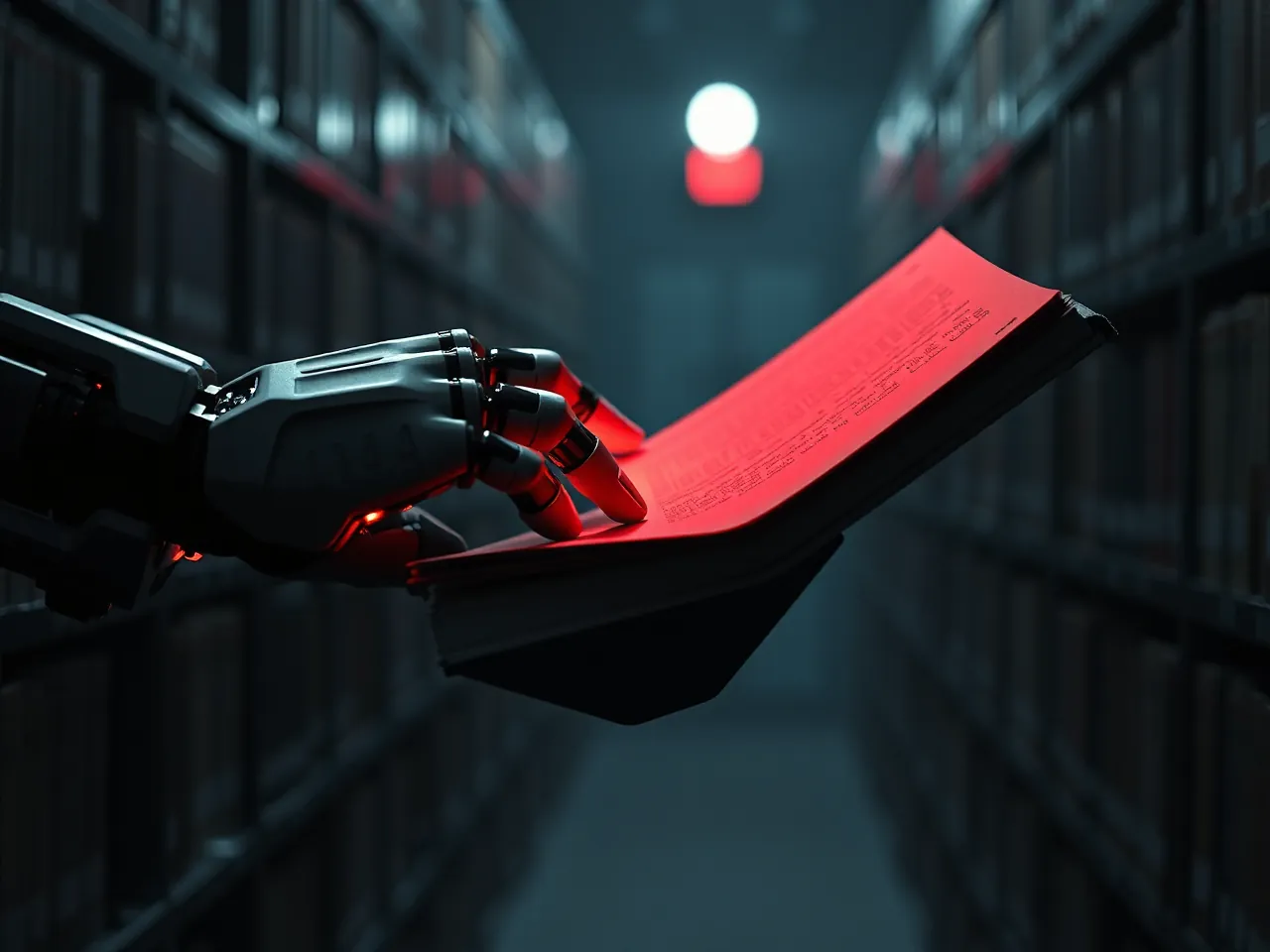
Our AI agents are required to query the library before starting any research task, over the same plain API your agents would use. They pull what is already known, cite it, and design the next experiment on top of it instead of underneath it. The library is not a reference shelf, it is the first step of the method.
Findings flow back in
Findings flow back in
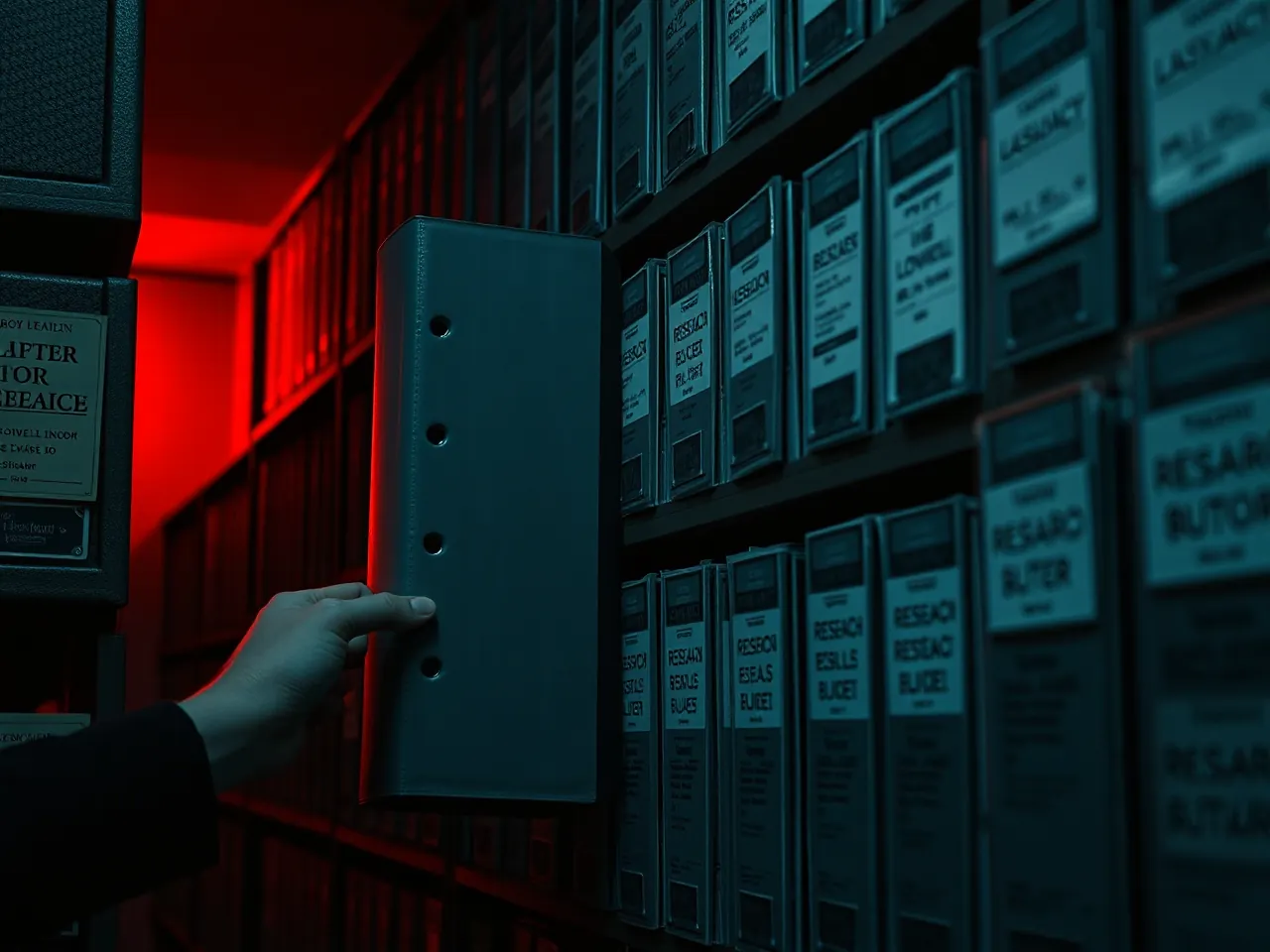
When an experiment produces a real result, positive or negative, the finding is written back into the library the same day, and is queryable within hours. Knowledge compounds instead of evaporating. That loop, ask first, write back after, is the whole discipline.
The Shape of the Library
Modular, the way research actually runs
Every paper we have read and every experiment we have run, indexed side by side, so a query hears both what the field claims and what our bench measured. Held in modules that follow the work.

By Programme
One module per research programme
Each programme's experiments, findings, and reading live together. A question about one line of work gets that programme's evidence, not a soup of everything the lab has ever done.

By Corpus
Literature apart from lab notes
External papers and internal findings are separate modules. The answer tells you whether a claim comes from the field or from our own measurements, which is a distinction that matters when they disagree.

Frozen
A module frozen per publication
When results ship, the module behind them is frozen. Months later, "what exactly did we know when we published?" is answered from that snapshot, not from memory. Reproducibility becomes a query.

Protected
Sensitive methods stay walled off
Our most sensitive work lives in modules with the tightest grants. A general query cannot reach them, and neither can a general user. The same walls we sell are the walls we rely on.
New papers and fresh findings are ingested on a schedule, automatically. Drop a document in, and the library knows it by the next working session.
The Payoff
What a remembering lab does differently
The library did not make our researchers faster typists. It changed which experiments get run at all.
| Before a new experiment | The library is queried for prior art, ours and the field's. Duplicates die on the page, not on the bench. |
|---|---|
| During a programme | Every intermediate finding lands in the module. A programme's state is readable by anyone who joins it, on day one. |
| At publication | The evidence module is frozen alongside the results, so every claim keeps its receipts. |
| A year later | "Why did we abandon that approach?" has a cited answer, even if everyone who worked on it has moved on. |
| Who this fits | |
|---|---|
| R&D groups | Pharma, materials, engineering: anywhere experiments are expensive and repeated ones are invisible |
| Data science teams | Models, ablations, and post-mortems that outlive the notebook they were run in |
| Universities & institutes | Lab memory that survives the PhD cycle |
| Agentic AI teams | A grounded, citable memory their agents consult and extend autonomously |
Everything on this page runs on our own hardware, inside our own walls. Your lab's edition would run inside yours: on-premise, in your cloud as containers, or on our managed SaaS.
Give your lab a memory that compounds
Bring us a corpus of papers and a year of lab notes. We will stand up a research library split into modules that your team, and your agents, can interrogate from day one.